


Views: 4 Author: Emily Publish Time: 2026-01-07 Origin: Site
1. Braking System Failures (Core Safety System)
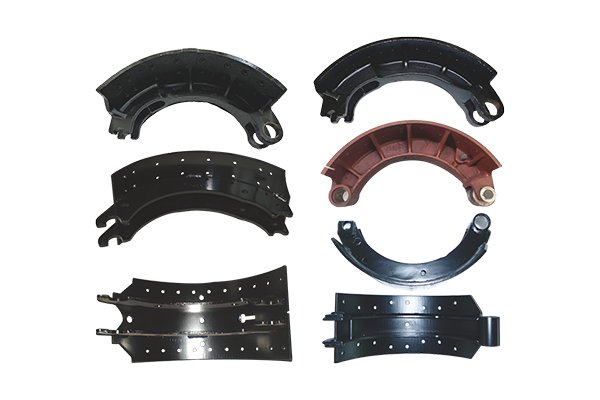
1.1 Failure: Abnormal Brake Pad/Lining Wear, Overheating, Noise
Regular Inspection & Replacement: Replace pads/linings before wear limits; always replace in axle sets.
Check Brake Actuators: Ensure proper piston retraction; lubricate slides/camshafts.
Inspect Wheel End System: Verify proper bearing adjustment; check for looseness or damage.
Normal wear limit reached.
Brake caliper/slack adjuster sticking (causing drag).
Wheel hub bearing failure (leading to disc/drum runout).
Clogged air lines or air pressure imbalance.
1.2 Failure: Brake Failure or Weak Braking Force
Pre-trip Air Pressure Check: Monitor gauge for proper pressure build-up rate and value.
Listen for Leaks: With engine off, hold brake pedal to check for audible air leaks.
Replace Air Dryer Regularly: Annually or as per mileage to ensure dry air.
Professional Valve Diagnosis: Mechanics should test valve output pressures.
Low Air Pressure: Air compressor failure, clogged air dryer, faulty multi-circuit protection valve, air leaks.
Brake Fluid Leak (Hydraulic systems): Leaks from master cylinder, wheel cylinders, or lines.
Valve Malfunction: Faulty foot brake valve, relay valve, or ABS modulator.
1.3 Failure: ABS Warning Light Stays On
Causes: Dirty/damaged wheel speed sensors, damaged tone rings, wiring faults, ECU failure.
Solutions: Clean sensor heads, check sensor-to-ring gap, read fault codes with diagnostic tool.
2. Suspension System Failures (Affects Ride & Cargo Safety)
2.1 Failure: Trailer Pulls to One Side or Severe Tire Scrubbing
Adjust or replace height valve linkage.
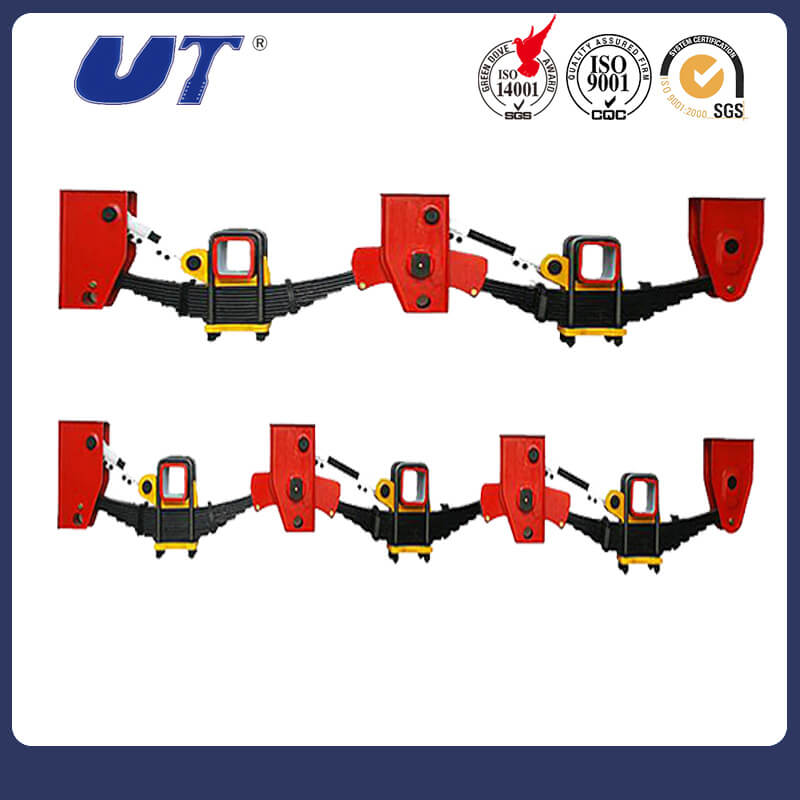
Inspect leaf springs; replace broken leaves or worn bushings.
Perform Trailer Alignment Regularly: After set mileage or upon noticing uneven tire wear.
Faulty/disconnected height control valve (air suspensions) causing uneven ride height.
Broken/shifted leaf springs or worn bushings (mechanical suspensions).
Misalignment: Axle tracking or toe-in settings out of specification.
2.2 Failure: Suspension Noises (Clunking, Metal-on-Metal)
Causes: Severely worn spring hanger pins/bushings; loose U-bolts; worn equalizer beam bushings.
Solutions: Tighten all fasteners; replace worn pins and bushings.
3. Electrical & Lighting System Failures (Safety & Compliance)
3.1 Failure: Tail, Turn, or Stop Lights Inoperative/Intermittent
Use Dielectric Grease: Apply to all electrical connectors to prevent moisture/corrosion.
Inspect & Repair Harness: Protect vulnerable wiring with loom or tape.
Clean Ground Points: Ensure frame ground connections are clean, tight, and bare metal.
Upgrade to maintenance-free LED lights for longer life and vibration resistance.
Wiring Issues: Corroded/loose connectors (especially 7-pin plug); chafed wires shorting.
Poor Grounding: Corroded ground connection points on trailer frame.
Bulb Failure.

4. Tire & Wheel End System Failures
4.1 Failure: Abnormal Tire Wear (Shoulder wear, Cupping/Scalloping)
Causes: Axle misalignment, loose wheel bearings, out-of-balance wheels.
Solutions: Perform trailer alignment; adjust wheel bearing preload; balance tires.
4.2 Failure: Excessive Hub Heat ("Burned Bearings")
Regular Wheel End Service: Lubricate with correct grease at recommended intervals.
Use High-Quality Seals: Install reputable brand seals during service.
Use Infrared Thermometer: Check hub temperatures during stops for early detection.
Causes: Lack of lubrication/bearing damage, failed seal causing grease loss, excessive bearing preload.
Solutions:
Regular Wheel End Service: Lubricate with correct grease at recommended intervals.
Use High-Quality Seals: Install reputable brand seals during service.
Use Infrared Thermometer: Check hub temperatures during stops for early detection.

